

How to schedule social media posts with an API
Schedule your first PostSider API post with exact request fields, then use a saved payload, an idempotency key, and readback to avoid duplicates.
Read article →Insights, updates, and thoughts from the maker of PostSider.
Schedule your first PostSider API post with exact request fields, then use a saved payload, an idempotency key, and readback to avoid duplicates.
Read article →
Connect an AI client to PostSider's hosted MCP server, validate one draft, confirm its schedule, and read back the exact saved post.
Read article →
Looking to switch from Buffer for social media management? Compare real workflows, current costs, and a small trial before moving your queue.
Read article →
I removed image, video, voice, and autopost generation from PostSider to focus on the harder problem: reliable social media publishing.
Read article →
A practical stress test of six social media tools for agencies managing ten clients, with current pricing, approval limits, and honest tradeoffs.
Read article →
Five Blotato alternatives compared on MCP, APIs, human approvals, platform coverage, content generation, and the real cost of agent-driven publishing.
Read article →
A fair comparison of SocialPilot alternatives for agencies that need approvals, bulk publishing, client separation, API access, and predictable pricing.
Read article →
A production architecture for MCP publishing agents: scoped tools, approval gates, idempotent writes, bounded retries, signed webhooks, and observable outcomes.
Read article →
Function calling is faster to demo, MCP is cheaper to keep running. I built both against the same publishing API and here is where each one actually wins.
Read article →
Five layers between a broken MCP setup and a working one, with exact config paths per client, a one-command key test, and the log lines that actually name the fault.
Read article →
Field by field: the intake form I use for new social clients, why each field exists, and how the answers seed the workspace, the voice prompts and the approval chain.
Read article →
Compare Hootsuite and PostSider pricing, approvals, publishing, inbox, listening, and agency fit before moving your client workflow.
Read article →
PostSider finished thirteenth of the day on Product Hunt with 90 upvotes, no launch video, no team, and no whitelist. This is the honest version of that launch.
Read article →
Compare seven agency social media tools by pricing unit, workflow strength, and the bottleneck each one solves before you commit to a plan.
Read article →
Compare AI social media schedulers by agent access, approval controls, platform coverage and pricing, with an honest look at four paths.
Read article →
Add publishing as a real node in a LangGraph agent: the current API, a guardrail step before the publish tool, and state that stops double-posting.
Read article →
A dated sheet of video specs per platform, from Reels and Shorts to Pinterest and Bluesky, plus the one-master-edit cutting map that covers every format.
Read article →
A working tagging convention for agency client accounts, with the one-page handoff document, the three client examples and the two mistakes that break it.
Read article →
Meta app review and TikTok's Direct Post audit are through. Publishing to Pages, Instagram professional accounts and TikTok now works for every account.
Read article →
Typefully is the best X drafting tool there is. Here is what a setup costs, which networks it does not reach, and the workflow for people who publish on six.
Read article →
Agorapulse prices per user and per profile. Here is the real monthly bill for a 3-person agency on Agorapulse, and what a flat-tier tool does differently.
Read article →
SocialBee's content categories are the best recycling engine in scheduling. Here is what they cost, what they do not do, and where a queue wins.
Read article →
Metricool is the best analytics for the money below $100 a month. Here is the real monthly bill for an agency, and when approval plus publishing wins.
Read article →
Planable is the best review experience in social media tooling. Here is what it costs a 10-client agency, and when approvals have to end in a published post.
Read article →
Sprout Social costs $199 to $399 per seat per month on annual billing. Here is what a 3-person agency actually pays, and what a flat-rate alternative runs.
Read article →
Retries are how posting scripts double-post. A publishing idempotency recipe: stable keys, check-before-create, webhook confirmation, with runnable snippets.
Read article →
AI cuts your delivery hours, not your value. Three pricing paths for AI-assisted social services with worked margin numbers and the client conversation.
Read article →
Wire your store to PostSider and every product drop becomes a social announcement, draft first, with a human approval gate between the webhook and the feed.
Read article →
A repeatable monthly reporting ritual for agencies: pull numbers in one step, structure findings as three decisions, deliver one page clients read.
Read article →
Connect Cursor to PostSider over MCP and the agent that merged your release drafts the announcement post into an approval queue, before you forget it shipped.
Read article →
A practical Black Friday social media checklist for small teams, from approvals and scheduling to sold-out rollbacks and the post-sale review.
Read article →
Buffer is retiring its legacy REST API in 2027. This migration map covers GraphQL, native APIs, and alternatives for developers building social publishing.
Read article →
Publer and PostSider compared on price, approvals, automation and agent access, with a founder's honest guide to choosing the workflow you will actually run.
Read article →
Four review patterns for AI-drafted social content, ranked by throughput, so approval catches real mistakes without turning you into the bottleneck.
Read article →
AI agents hold up on the posts they write, then fail around the post: API limits, moderation, voice drift, timing, approvals. Structure fixes all seven.
Read article →
Launch week for developer products runs on logistics, not hype. Here is the channel map, the demo-first rule, and the day-by-day slot plan.
Read article →
Your newsletter already contains the week's social content. An agent pipeline extracts platform-native posts into a review queue, and you approve in 15 minutes.
Read article →
Links and CTAs in captions underperform next to first-comment placement on most platforms. Here is what the evidence actually shows and how to automate it.
Read article →
Why PostSider's MCP server ships 12 tools instead of 50, what got cut and why, and how the same tool-sprawl discipline applies to any MCP server you build.
Read article →
The architecture behind a hands-off social pipeline: an agent drafts on a schedule, PostSider's queue places and publishes it, and why the queue, not the agent, is what makes autonomy safe.
Read article →
A founder-written comparison of Ayrshare and PostSider for developers building on top of a social media API, with bias declared and pricing checked against both official sites.
Read article →
A dated, sourced table of post and bio character limits across every major network, plus the operational rule: draft for the tightest limit you use, not the loosest.
Read article →
A no-code walkthrough for connecting Claude Desktop to PostSider over MCP, so a founder who does not write code can plan and schedule a week of posts in a conversation.
Read article →
A transparent, line-by-line pricing build-up for a social media retainer: loaded hourly rate, tool costs, margin, and where AI-assisted delivery actually changes the floor.
Read article →
An operational playbook for building the Q4 content calendar in September: mapping the dates that matter, a skeleton of campaign slots and evergreen fill, and a bulk-loading method for the whole quarter.
Read article →
A dated table of image dimensions per network and placement, the safe-zone rule for where text dies in crops, and the one-asset-three-crops workflow that skips making 12 versions of everything.
Read article →
A founder-written comparison of Later and PostSider on pricing, platform breadth, approval workflow and API access, with the bias declared and the numbers dated.
Read article →
A step by step tutorial for wiring OpenAI Codex CLI to PostSider over MCP, including the config differences from Claude Code, ending with Codex scheduling a draft.
Read article →
How PostSider's publish webhook actually works: the real payload shape, the retry behavior, the SSRF protection, and three things worth building on top of it.
Read article →
A third of customers disengage the moment they learn content is AI-generated. Here is the disclosure paragraph, the timing, and the discount conversation that keeps that from becoming your problem.
Read article →
A copy-paste system prompt skeleton that keeps an AI agent on-brand across platforms, built from banned phrases, escalation rules, and per-platform register.
Read article →
Retainers die from the content treadmill, not from bad ideas. Here is how I fill roughly a third of a client calendar with recycled top performers, and where I draw the line.
Read article →
How I run social for 10 clients alone by keeping an AI agent on a short leash: it drafts, I approve, the queue publishes.
Read article →
Shared workspaces are how agencies cross-post to the wrong brand. Here is the naming, roles, and offboarding structure that keeps ten clients from turning into one tangled feed.
Read article →
Instagram now caps hashtags at five and enforces it. Here is how I built reusable tag sets instead of retyping thirty from a Notes app every time.
Read article →
A column-by-column walkthrough of PostSider's bulk CSV import: the exact fields, the UTC time gotcha, and how to get a new client's first month scheduled before lunch.
Read article →
What agencies actually pay for social media management software at 5, 10 and 20 clients, comparing Buffer, Hootsuite, Sprout Social and PostSider pricing including the channel caps nobody advertises.
Read article →
A concrete draft to review to approve workflow for agencies, plus a copy-paste client sign-off SLA, built around PostSider's Admin and User roles and one workspace per client.
Read article →
A dated, sourced teardown of X's API pricing, Meta's app review process and TikTok's audit trail, and why staying integrated costs more than getting approved.
Read article →
Every realistic AI agent posting risk mapped to a concrete control, plus a three-level autonomy ladder you can adopt today.
Read article →
A step by step tutorial for connecting Claude Code to PostSider over MCP, from generating an API key to having the agent draft, find a slot, and schedule its first real post.
Read article →
A step-by-step migration plan for moving off Buffer or Hootsuite: export what you can, rebuild queues by hand or CSV, and switch with zero missed posts.
Read article →
A developer's checklist for choosing a social media scheduling API in 2026: native platform APIs vs unified APIs vs schedulers with real APIs, with prices and a code sample.
Read article →
A side-by-side of PostSider and Buffer on pricing, channels, API access and AI agents, written by PostSider's founder with the bias stated upfront.
Read article →
Seven real Buffer alternatives compared on pricing, free plans, channel limits and API access, by someone who builds one of them and says so upfront.
Read article →
The 2026 social media statistics worth acting on, grouped by what they change about how you post, schedule, and measure, with every figure sourced.
Read article →
A practical delegation guide: what to hand an AI agent, what to keep human, how to wire it up over MCP, and the four guardrails that keep your brand safe.
Read article →
A do-it-today playbook for a social media content calendar in 2026: pillars, cadence, batching, and a slotting method, with a concrete example week.
Read article →
A developer walkthrough of scheduling posts programmatically: auth, drafts, scheduling, publishing and webhooks, with real PostSider API shapes.
Read article →
Per-platform best-time data from Sprout, Buffer and Hootsuite for 2026, and why any universal chart is only your starting hypothesis.
Read article →
A plain-language guide to MCP: what an MCP server is, why it lets an AI agent call real publishing actions, and what that unlocks for social.
Read article →
A practical guide to writing first lines that stop the scroll, with named hook frameworks and copy-ready before and after examples from a scheduling tool founder.
Read article →
How much social content is now AI-generated, why the backlash is real, what the platform labeling rules changed, and the one move that still wins in 2026.
Read article →
A decision guide: MCP for AI agents, REST for backends and scripts, an SDK for typed app code. Trade-offs plus a snippet for each.
Read article →
Median engagement rate benchmarks for 2026 from Socialinsider, RivalIQ, and Hootsuite, plus the one thing that makes most benchmarks useless: nobody agrees on the denominator.
Read article →
A repeatable system for turning one pillar idea into a week of native posts. Distribution, not creation, is your bottleneck.
Read article →
How to automate social media with AI and keep a human voice: where the AI-slop line sits and the safeguards that keep a pipeline clean.
Read article →
Per-platform posting cadence for 2026 from Buffer, Hootsuite, and Sprout, plus the founder's take on why moving off very low frequency beats posting constantly.
Read article →
A hands-on tutorial for wiring an AI agent to a social publishing platform over MCP, from connecting the server to having the agent schedule a real post.
Read article →
The creator economy statistics that matter in 2026: market size, creator counts, who earns a living and where the money goes. Every figure sourced.
Read article →
A concrete batching system: theme days, templates, record once, write in bulk, then schedule the whole month. Plus why batching beats daily posting.
Read article →
A platform-by-platform read on social media growth in 2026: who is rising, who is shrinking, every figure sourced, and where to spend attention.
Read article →
What teams and small businesses actually spend on social media in 2026, the paid versus organic split, and where the money quietly gets wasted, every figure sourced.
Read article →
Stop guessing what works. Learn how to use analytics and trend discovery to consistently maximize your reach.
Read article →
What separates a real AI agent from a rebranded scheduler, what marketers use AI for in 2026, and how to give an agent safe publishing access.
Read article →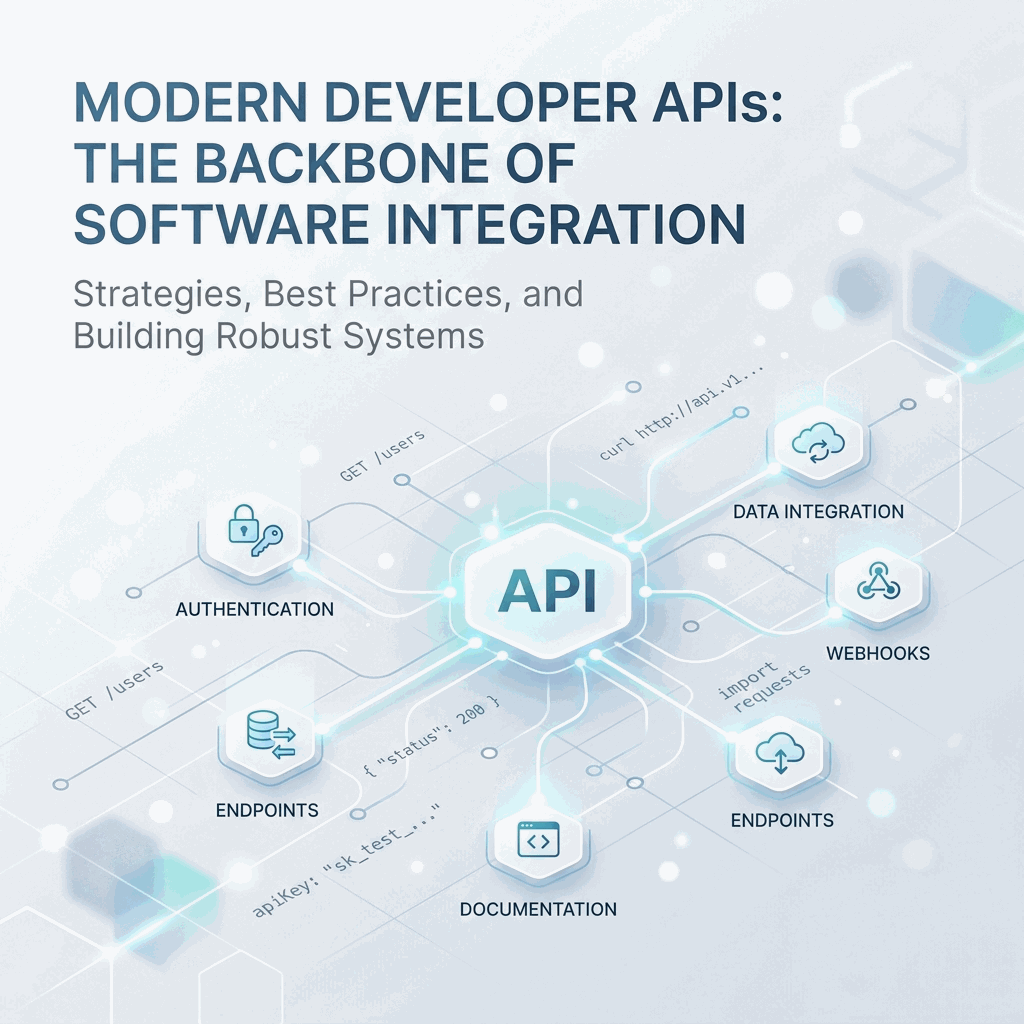
Why we built our MCP server and REST API first, and how you can use them to plug PostSider into your custom workflows.
Read article →
The 2026 numbers on how small businesses use social media, which platforms they pick, why consistency breaks, and who runs the accounts, every figure sourced.
Read article →Start free in minutes. Publish it yourself, or let your AI agent take the wheel.
30+ networks · MCP, REST and SDK · No credit card